

Types of Perfume Bottles: Your First Visual Touch-Point
When people pick up a perfume, the bottle type is the very first thing they notice. Its shape and material instantly tell a story about the fragrance and the brand behind it. The material also plays a big role in how customers perceive value — a heavy glass bottle often feels more premium than a lightweight plastic one. It’s no surprise that nearly 90% of prestige fragrances still choose glass for its clarity, durability, and timeless appeal.
In this guide, we’ll walk through the main types of perfume bottles, explore the pros and cons of each material, explain why glass remains the top choice for luxury packaging, and look at how hybrid finishes—like glass paired with metal or soft-touch coatings—create modern, eye-catching designs.
Why Perfume Bottle Types Matter in Fragrance Branding
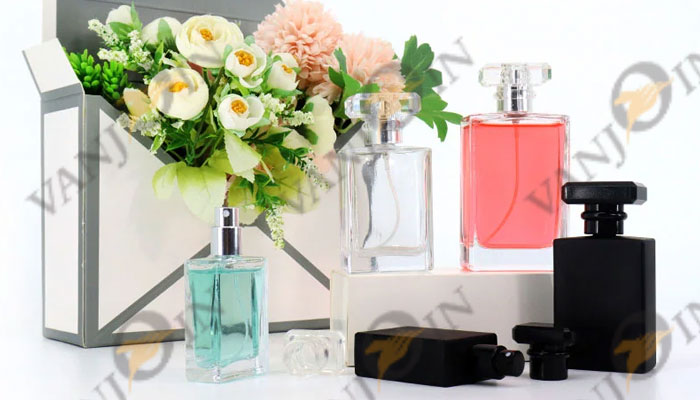
The type of perfume bottle you choose shapes how customers see your brand from the very first glance. Its look, weight, and texture all work together to create a lasting first impression—long before someone even smells the fragrance. A sleek rectangular bottle can suggest a modern or unisex scent, while a curved silhouette often feels more romantic or feminine.
Different perfume bottle types also align with different market goals. Luxury brands tend to favor thick glass bottles with strong bases to convey elegance and quality. Minimalist or eco-friendly lines may prefer lighter bottles made from recycled materials or refillable designs.
For B2B buyers and brand owners, understanding these bottle types is not just about aesthetics—it’s also about practicality. The right bottle choice affects filling efficiency, packaging costs, shipping weight, and even how your product stands out on retail shelves. Pick wisely, and you also control cost.
Different Perfume Bottle Materials
Choosing the right perfume bottle material is just as important as choosing the fragrance itself. Each material gives a different look, feel, and performance—and understanding their strengths helps brands make smarter packaging decisions. Below we break down the most common types of perfume bottles by material, their pros and cons, and why glass remains the gold standard in the fragrance world.
Glass is the most widely used material in perfume packaging, and for good reason. It delivers a premium look and weight, making the bottle feel luxurious in hand. Glass also offers excellent chemical stability, which means it won’t react with the perfume inside—preserving scent quality over time.
From transparent to frosted, colored, or coated finishes, glass can be customized endlessly through spraying, screen printing, or hot stamping. It’s also 100% recyclable, making it a sustainable option for modern brands.
* Pros: elegant, durable, recyclable, compatible with all perfume types
* Cons: heavier, fragile if mishandled
Why brands love it: Around 90% of prestige perfumes still choose glass bottles for their clarity, weight, and timeless appeal.
Plastic bottles rule airports, testers and budget launches. Molded from PET, PP or acrylic, they weigh almost nothing, survive airport drops and cost mere cents—perfect for pocket-size, on-the-go spritzes.
However, plastics may not be fit for alcohol-based perfumes long-term, as they can slightly affect the fragrance composition. They also feel less premium than glass and offer fewer decoration options.
* Pros: light, durable, low cost, flexible shapes
* Cons: limited resistance to alcohol formulas, lower perceived value
Use for: travel kits, promotional lines, or giveaways.
Crystal or High-Lead Glass Bottles
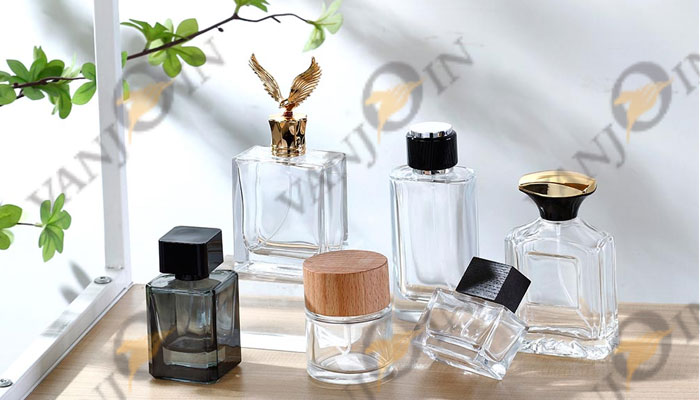
Crystal bottles are the ultimate symbol of luxury. With their exceptional clarity, brilliance, and heavy hand feel, they’re often used for limited editions or collector perfumes. These bottles reflect light beautifully and elevate the perfume’s visual impact. However, they are more expensive to produce, heavier, and fragile, which limits their use in mass production.
* Pros: stunning appearance, diamond brilliance, high-end appeal
* Cons: costly, fragile, not ideal for bulk shipping
Best for: luxury gift sets, limited editions, artisanal perfume collections.
Metal or Aluminum Perfume Bottles
Metal bottles, usually made of aluminum, provide a sleek and modern look. They are lightweight, durable, and protect fragrances from light exposure, making them ideal for sensitive formulations.
While metal doesn’t offer the transparency of glass, it can be anodized, brushed, or coated for a stylish finish. Some designs even combine a metal shell with an inner glass bottle—offering the best of both worlds.
* Pros: strong, light, urban, gender-free look, customizable finish
* Cons: no transparency, usually needs a glass inner
Reserve for: refillable perfumes, travel sprays, and unisex lines.
Material Comparison at a Glance
| Material | Look & Feel | Durability | Cost | Sustainability | Best Use |
| Glass | Premium, clear | Medium | $$ | Excellent | Luxury fragrances |
| Plastic | Light, versatile | High | $ | Medium | Travel & budget lines |
| Crystal | Brilliant, heavy | Low | $$$ | Low | Limited editions |
| Metal | Sleek, opaque | High | $$ | High | Refillable or travel bottles |
Among all these perfume bottle materials, glass remains the most balanced and trusted choice. It combines elegance with performance, allowing brands to express both quality and sustainability—two values that modern fragrance buyers care about most.
Why Glass Stands Out in Perfume Packaging
Glass continues to dominate the perfume bottle market not just for its timeless elegance, but for its proven performance across aesthetics, chemistry, and sustainability.
* Premium Perception & Price Advantage: Fragrances packaged in glass bottles can achieve 18–30% higher shelf prices, reflecting their association with luxury and craftsmanship.
* Chemical Inertness: Glass is non-reactive, ensuring the purity and longevity of delicate fragrance notes.
* Endless Decoration Options: From spraying, metallization, silk-screen printing, hot stamping, etching, to inner coating, glass offers unlimited creative possibilities.
* Sustainability: 100% and infinitely recyclable, with options for PCR (post-consumer recycled) glass, aligning with global eco-friendly trends.
Vanjoin Expertise: We specialize in flint and modern glass perfume bottles from 1ml to 500ml, with a minimum order quantity of 5,000 pieces and 15-day sampling—ideal for brands balancing design freedom and production efficiency.
Composite & Decorative Designs: Glass-First Ideas That Sell
Modern perfume packaging is no longer limited to glass alone. By combining glass with other materials and finishes, brands can create a signature look that amplifies their story and connects emotionally with consumers. At Vanjoin, we focus on helping brands achieve that perfect balance between aesthetic innovation and functional performance.
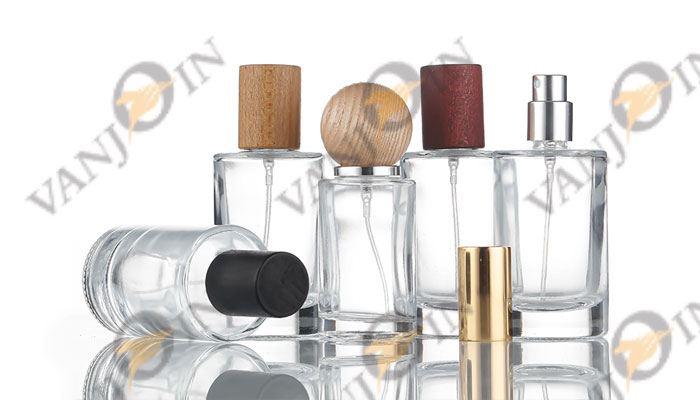
Glass Bottles with Metal or Plastic Caps
Pairing glass bodies with aluminum collars or ABS caps brings together luxury and practicality. Metal elements highlight refinement and durability, while plastic options offer lightweight convenience and cost efficiency. The contrast of texture and sheen—smooth glass against brushed metal or matte plastic—creates a tactile identity that reinforces a brand’s personality.
This combination is especially popular among mid- to high-end perfume lines looking for distinct shelf presence without compromising usability.
Glass Bottles with Decorative Coatings or Overlays
Beyond shape and cap design, coatings and surface finishes define a bottle’s visual story. Techniques such as flocking, leather wrapping, electroplating, UV coating, and gradient painting add dimension and character to otherwise simple bottles. These decorative processes not only enhance brand recognition but also create a premium tactile feel that attracts customers at first touch.
Whether you want a soft-touch velvet finish or a high-gloss metallic shine, glass offers a stable and versatile base for these creative overlays.
Hybrid SVanjointions for Modern Perfume Lines
For brands seeking innovation, hybrid structures are redefining how perfumes are packaged and experienced. A glass inner bottle enclosed in a metal shell allows for refillable designs, aligning with modern sustainability goals. Other combinations—like recycled glass paired with biodegradable caps—demonstrate environmental responsibility while maintaining a high-end aesthetic.
These hybrid concepts are not just stylish—they reflect a forward-thinking mindset that today’s consumers value.
Vanjoin Highlight:
Our expertise lies in blending premium glass craftsmanship with creative finishes that elevate brand value. From minimalist elegance to avant-garde concepts, Vanjoin offers custom hybrid designs that make each perfume line truly stand out.
How to Choose the Right Perfume Bottle for Your Brand
Selecting the right perfume bottle is where creativity meets strategy. For fragrance brands and distributors, it’s not just about aesthetics—it’s about aligning your packaging with your target market, fragrance story, and price positioning.
Here’s a quick overview to guide your choice:
| Step | What to Consider | Key Tips |
| 1. Brand Personality | Define your brand style — luxury, minimalist, playful, or eco-friendly. | Match shape, color, and material with your fragrance story. |
| 2. Material Choice | Glass, plastic, crystal, or metal bottles. | Glass offers premium look and scent protection. |
| 3. Bottle Shape | Round, square, tall, or custom geometry. | Align design with fragrance type (e.g., floral vs. bold). |
| 4. Cap & Collar Design | Choose different material caps for aesthetics and function. | Ensure tight sealing to preserve fragrance quality. |
| 5. Decoration & Branding | Use printing, coating, or embossing. | Finishes like frosted, gradient, or metallic enhance visibility. |
| 6. Sustainability | Recyclable materials, refillable designs. | Consider PCR glass or eco-friendly coatings. |
| 7. Production & Cost | MOQ, lead time, and decoration options. | Partner with reliable suppliers for balance between design and budget. |
Start simple with a classic glass bottle, then elevate it through caps, coatings, or hybrid finishes. Vanjoin provides custom design and production support from concept to delivery—ideal for brands looking to combine creativity and efficiency.
Conclusion
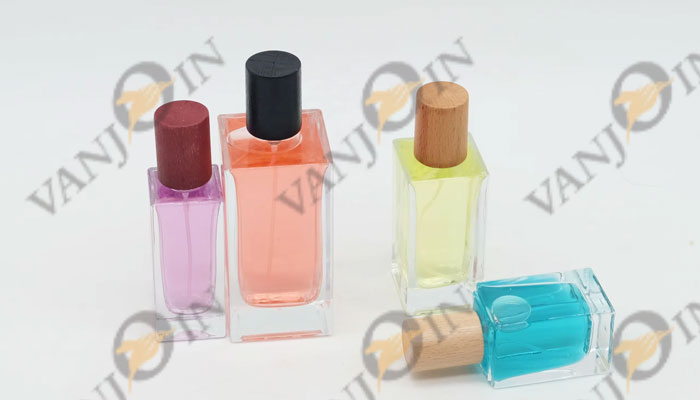
Choosing the right type of perfume bottle is more than a packaging decision—it’s a statement of brand identity. From minimalist glass forms to hybrid luxury designs, every choice you make influences how customers see, touch, and value your fragrance.
Among all materials, glass remains the most trusted foundation for perfume packaging. It preserves scent integrity, communicates elegance, and supports endless creative finishes—from electroplating to leather wrapping. For brands aiming to stand out on the shelf while maintaining environmental responsibility, glass offers the perfect balance between beauty and function.
At Vanjoin, we specialize in helping fragrance brands and distributors turn ideas into tangible, market-ready packaging. Whether you need 1 ml samplers or 500 ml opal glass bottles, our factory delivers custom designs, small MOQ (5,000 pcs), and sampling within 15 days.
Ready to create your next signature perfume bottle? Contact Vanjoin’s packaging experts today to discuss your design, decoration, and production options.
FAQ
Q1. What are the most common types of perfume bottles?
The most common types include glass bottles, plastic bottles, crystal bottles, and metal bottles. Glass is preferred for premium fragrances due to its clarity and scent preservation.
Q2. Why do most luxury perfumes use glass bottles?
Glass is chemically inert, meaning it doesn’t react with fragrance oils. It also conveys a premium look and can be endlessly customized and recycled.
Q3. Are hybrid perfume bottles becoming popular?
Yes. Many brands now combine glass bodies with metal shells or biodegradable caps to balance luxury aesthetics and sustainability.
Q4. What decoration techniques work best on glass bottles?
Popular finishes include spray coating, electroplating, silk-screen printing, hot stamping, acid etching, and flocking. These techniques enhance visual appeal and brand recognition.
Q5. Can I order customized perfume bottles in small quantities?
Yes. Vanjoin offers low MOQs starting at 5,000 pcs with rapid sampling (around 15 days) to support emerging brands and custom design projects.
Vanjoin © All Rights Reserved.