

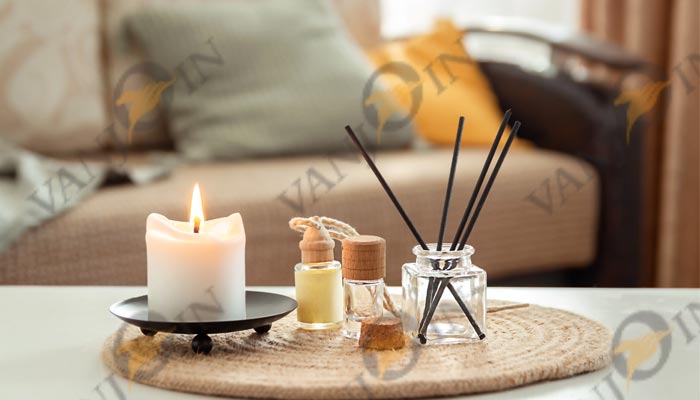
The safest home fragrances, like a Reed Diffuser, consist of non-toxic materials derived from natural ingredients. These options enhance indoor air quality without exposing individuals to harmful chemicals. Choosing safe fragrances significantly benefits health and well-being, reducing risks associated with synthetic alternatives, such as allergic reactions and respiratory issues.
Key Takeaways
* Choose home fragrances made from non-toxic, natural ingredients to enhance indoor air quality and reduce health risks.
* Look for recognized certifications like USDA organic and Leaping Bunny to identify safe fragrance products.
* Avoid harmful ingredients such as phthalates and VOCs by checking product labels for transparency and safety.
Defining Safe Home Fragrances
Safe home fragrances prioritize health and well-being by utilizing non-toxic ingredients and transparent manufacturing processes. Experts define a 'safe' home fragrance based on several key aspects:
| Aspect | Description |
| Ingredient Transparency | Emphasizes the need for clear communication about fragrance ingredients to ensure consumer safety. |
| Regulatory Compliance | Highlights adherence to safety regulations and standards to protect consumers. |
| Safety Data Sheets (SDS) | Provides detailed information on chemical properties, hazards, and safe handling instructions. |
Consumers should be aware of the potential risks associated with home fragrances. These risks include fire hazards and indoor air pollution. Safety Data Sheets (SDS) are crucial for understanding product hazards and safe usage. Compliance with OSHA standards ensures that products are safe for consumer use.
Regulatory bodies play a significant role in defining safe home fragrances. The Consumer Product Safety Commission (CPSC) oversees safety regulations for consumer products, including home fragrances. The Environmental Protection Agency (EPA) regulates chemicals and VOC emissions in fragrance products, ensuring they meet environmental safety standards. Additionally, the Food and Drug Administration (FDA) governs the safety of cosmetics, which can include certain fragrance products, especially those with health claims.
Research indicates that natural home fragrances may not always be safer than synthetic alternatives. While natural fragrances often appeal to consumers seeking non-toxic options, they can contain known allergens that may trigger adverse reactions. In contrast, synthetic fragrances undergo extensive safety testing. The Research Institute for Fragrance Materials evaluates over 2,000 synthetic fragrance molecules for safety, assessing allergic reactions, skin irritation, and toxicity. This rigorous testing is often not feasible for complex natural extracts.
Recognized certifications can help consumers identify safe home fragrance products. Some of the most widely recognized certifications include:
IFRA certification / Leaping Bunny / USDA / Phthalate-free / Paraben-free / Formaldehyde-free
Aroma Retail, for example, is Green-Certified for eco-friendly business practices and non-toxic products. By choosing fragrances with these certifications, consumers can make informed decisions that prioritize their health and safety.

Benefits of Natural Fragrances
Natural fragrances offer numerous advantages that enhance both health and well-being. Many individuals prefer these scents for their authenticity and purity. Here are some key benefits associated with using natural home fragrances:
* Therapeutic Properties: Certain natural scents, such as lavender, possess calming effects. They can help relax the mind and relieve stress, making them ideal for creating a soothing home environment.
* Reduced Allergens: Natural fragrances generally pose fewer risks for individuals with allergies or sensitivities. They minimize the likelihood of irritation compared to synthetic alternatives, which often contain harsh chemicals.
* Environmental Impact: Natural scents typically have a smaller environmental footprint. Derived from renewable sources, they do not rely on synthetic ingredients that can harm ecosystems.
Research indicates that synthetic fragrances can negatively impact indoor air quality. For instance, Scented Candles may release fine particulate matter and nitrogen oxides, which can harm lung function. In contrast, natural fragrances do not produce these harmful pollutants.Studies have shown that chronic exposure to incense smoke is linked to cognitive decline, highlighting the importance of choosing safer alternatives.
| Study | Findings |
| Weschler and Shields (1997, 1999) | Ozone-terpene reactions observed in indoor environments. |
| Clausen et al. (2001) | Physiological effects of terpenes studied. |
| Wolkoff et al. (2012) | Long-term exposure effects of fragrance substances are still not fully understood. |
Natural fragrances also benefit individuals with respiratory conditions. Chemicals in synthetic products can inflame the nasal lining, leading to symptoms such as nasal congestion, sinus headaches, and throat irritation. By opting for natural options, individuals can reduce these adverse effects.
Moreover, studies have explored the psychological benefits of natural scents. For example, research by Lehrner et al. found that the aroma of orange reduced anxiety and increased positive mood in women. Such findings underscore the emotional advantages of incorporating natural fragrances into daily life.
Recommended Safe Home Fragrance Products
Choosing safe home fragrance products can significantly enhance indoor air quality. Here are some recommended options:
Non-Toxic Air Fresheners
Many brands offer non-toxic air fresheners that have undergone independent testing for safety and effectiveness. Consider these options:
* Grow Fragrance (Linen): Certified by Leaping Bunny and USDA, it features sandalwood oil, bergamot oil, and vanilla.
* Fresh Wave Odor Absorbing Gel Refill: This product is EPA and Safer Choice certified, using lime oil, pine needle oil, and anise oil.
* Attitude Air Purifier: With certifications from ECOLOGO and PETA, it utilizes activated carbon for effective odor elimination.
* Enviroscent Essential Oil Diffuser: This diffuser is certified by Leaping Bunny and FSC, containing clove leaf oil and FSC certified wood pulp.
* Scent Fill Plug-In Air Freshener: This option is certified by Leaping Bunny and includes natural eucalyptus oil, cedar leaf oil, and rosemary.
These air fresheners use plant-derived ingredients and essential oils, ensuring they are free from parabens, sulfates, and phthalates.
Beeswax Candles
BeesWax Candles provide a natural alternative to traditional paraffin candles. They offer several benefits:
* Non-toxic and free from petroleum byproducts.
* Cleaner burning with less smoke and residue.
* Safer for individuals sensitive to artificial scents.
* Eco-friendly, as they come from a renewable resource.
* When purchasing beeswax candles, look for certifications that ensure quality. For example, check for compliance with safety standards like ASTM F1972 and ASTM F2058. Ensure the candles are labeled as 100% beeswax and inquire about burn tests to verify purity.
Reed Diffuser Options
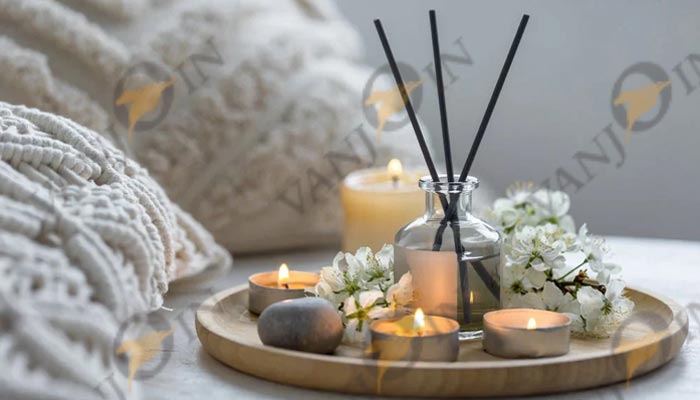
Reed diffusers serve as a safe and stylish way to fragrance a home. They are flame-free, reducing fire hazards compared to candles. Many diffusers use natural fragrance oils that are free from VOCs, promoting healthier indoor air quality.
When selecting a reed diffuser, prioritize those made with high-quality, organic ingredients. Avoid products containing alcohol and additives like parabens and phthalates. Look for oils certified as USDA organic for added safety.
DIY Methods for Freshening the Air
Freshening the air in a home can be achieved through simple DIY methods that utilize natural ingredients. Two effective approaches include simmering herbs and spices and using citrus peels combined with herbs.
Simmering Herbs and Spices
Simmering herbs and spices in water creates a delightful aroma that can mask unpleasant odors. This method is quick and effective. Consider using the following ingredients:
* Cinnamon Powder: Known for its warm, spicy scent that can mask unpleasant odors.
* Clove Powder: Has a strong, spicy scent that may neutralize bad smells.
* Eucalyptus Powder: Offers a fresh scent that can enhance air quality.
* Rosemary Powder: Provides a fresh, herbaceous aroma that may purify the air.
* Thyme Powder: Features a strong, herbal scent that can help eliminate unpleasant odors.
To use this method, simply combine your chosen herbs and spices with water in a pot. Bring the mixture to a simmer, allowing the fragrance to fill your home. This natural approach avoids synthetic chemicals, making it a safer alternative for indoor air quality.
Citrus Peels and Herbs
Citrus peels, such as those from oranges and lemons, serve as excellent air fresheners. They contain natural oils that provide a fresh aroma and possess antimicrobial properties. This helps neutralize odors and purify the air. Using citrus peels is environmentally friendly and cost-effective, as it repurposes waste that would otherwise be discarded.
Incorporating herbs like rosemary or mint can enhance the scent further. The bright scents of citrus create a sense of cleanliness without being overpowering. Additionally, citrus scents can improve mood, reduce stress, and support mental clarity, enhancing the overall atmosphere of a space.
By utilizing these DIY methods, individuals can enjoy a fresher home environment while prioritizing health and safety.
Ingredients to Avoid in Home Fragrances
When selecting home fragrances, consumers should be aware of certain harmful ingredients that can pose health risks. Avoiding these substances can help maintain a safer indoor environment. Here are some key ingredients to steer clear of:
* Phthalates: These endocrine disruptors interfere with hormone function and may lead to reproductive abnormalities and birth defects. They can also trigger asthma and allergic reactions.
* Synthetic Musks: These chemicals accumulate in the body and disrupt hormonal balance, potentially leading to long-term health issues.
* Volatile Organic Compounds (VOCs): Ingredients like benzene and toluene can cause respiratory problems when inhaled. They are linked to various health concerns, including headaches and dizziness.
Tip: Always check product labels for these ingredients. If a product lists "fragrance" generically, it may contain undisclosed harmful chemicals.
In addition to the above, formaldehyde is another ingredient to avoid. It is associated with cancer risks and can irritate the throat and airways, leading to respiratory issues. Exposure during pregnancy may increase the risk of serious lung infections in infants.
| Regulatory Body | Key Requirements |
| FTC | Accurate labeling and honest claims about product benefits and ingredients. |
| CPSC | Safety standards including flammability testing and necessary safety warnings. |
| EPA | Ingredient disclosure, especially for regulated chemicals, and compliance with VOC limits. |
| FDA | Guidelines for products with therapeutic claims, ensuring ingredient safety. |
By being vigilant about these ingredients, consumers can make informed choices and prioritize their health when selecting home fragrances.
Selecting safe home fragrances is essential for maintaining a healthy indoor environment. Consumers should prioritize products that enhance well-being without harmful chemicals. Here are some expert recommendations for choosing safe fragrances:
* Rotate scents regularly to keep the air fresh.
* Layer fragrances for depth, combining products like diffusers and candles.
* Pay attention to intensity levels based on room size.
Tip: Always store fragrances in a cool, dry place away from sunlight.
By making informed choices, individuals can enjoy the benefits of non-toxic fragrances, leading to healthier air quality and improved emotional well-being.
FAQ
What are the benefits of using natural home fragrances?
Natural home fragrances reduce allergens, improve air quality, and provide therapeutic effects, promoting a healthier indoor environment.
How can I identify safe home fragrance products?
Look for certifications like USDA organic, Leaping Bunny, and phthalate-free labels to ensure product safety and transparency.
Are synthetic fragrances harmful?
Some synthetic fragrances may contain harmful chemicals. Always check labels for ingredients like phthalates and VOCs to avoid potential health risks.
Vanjoin © All Rights Reserved.