

Walk into any store and you’ll see shelves full of home fragrances. They smell nice at first, but many feel too strong, too sweet, or a bit artificial. And most of the time, you don’t really know what’s inside them.
That’s why more people are learning how to make their own home fragrance. When you DIY, you control the scent, the strength, and the ingredients. You can keep it light, make it cozy, or switch things up with the seasons. It’s simple, creative, and honestly pretty relaxing. There’s something satisfying about filling your home with a fragrance you made yourself.
Whether you’re curious about essential oils, love hands-on projects, or just want a more personal scent at home, DIY home fragrance is an easy place to start.
Why Make Your Own Home Fragrance?
There are plenty of reasons people fall in love with DIY home fragrance once they try it.
First, you know exactly what goes into it. When you make your own home fragrance, you choose the oils, the base, and how strong the scent is. No mystery ingredients, no overpowering smells. If you’re sensitive to fragrance, this alone makes a big difference.
Second, you can adjust the scent to fit your mood or space. Want something fresh for the living room and softer for the bedroom? Easy. You can blend essential oils, tweak the ratio, and create a fragrance that actually feels like you.
It’s also a more eco-friendly option. Reusing glass bottles and containers means less waste, and you’re not constantly buying new plastic-packaged products. Small changes add up.
Cost matters too. DIY home fragrance usually costs less over time, especially if you make refills or larger batches. One set of ingredients can last you months.
And finally, it just looks good. A handmade diffuser or candle in a simple glass container makes a thoughtful gift. It feels personal, not mass-produced — and people can tell.
Basic Ingredients You’ll Need
You don’t need a long shopping list to get started. Most DIY home fragrance projects use just a few basic ingredients.
Essential oils or fragrance oils
This is where the scent comes from. Essential oils are natural and made from plants, so they’re great if you want a lighter, more natural feel. Fragrance oils are blended for consistency and a stronger scent throw, which can work better for room sprays or candles. Many people try both and see what they prefer.
A carrier base
The base helps spread the scent into the air. For room sprays, this is usually alcohol or a water-based mix. Reed diffusers use a diffuser base that slowly releases fragrance through the sticks. Candles need wax, such as soy or beeswax. The base you choose affects how strong the fragrance feels and how long it lasts.
Containers
You’ll also need something to hold your fragrance. Glass containers are preferred because they don’t absorb fragrance and are easy to clean. They’re stable, reusable, and work well for diffusers, candles, and sprays. Plus, glass keeps your DIY home fragrance looking simple and polished.
Easy Ways to Make Home Fragrance
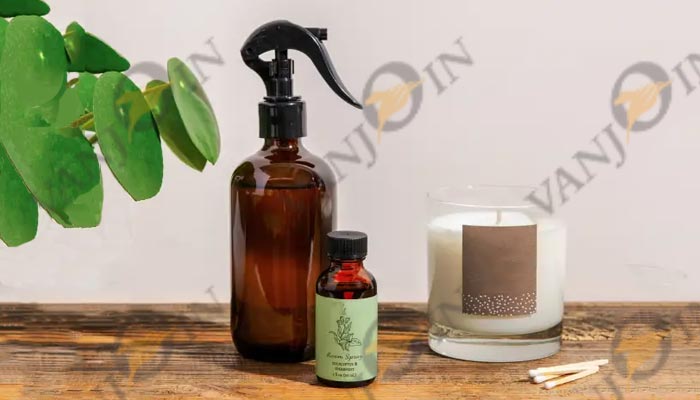
If you’re new to DIY home fragrance, these three methods are the easiest places to start. You don’t need special tools, and each one gives a different scent experience.
DIY Reed Diffuser
Reed diffusers are simple, low-maintenance, and perfect for everyday spaces.
Basic ratio
A common starting point is about 70–80% diffuser base and 20–30% fragrance or essential oil. You can adjust this depending on how strong you want the scent.
How to make it
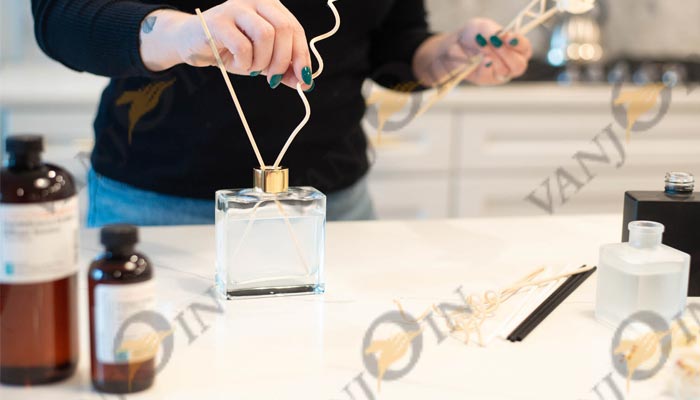
Pour the diffuser base into a glass bottle, add your oils, and gently swirl to mix. Insert the reeds and flip them after a few hours to get the scent flowing.
Helpful tips
Dark or amber glass bottles help keep the fragrance more stable over time, especially if the diffuser sits near sunlight. Fewer reeds mean a softer scent; more reeds mean stronger diffusion.
DIY Scented Candles
Wax options
Soy wax is popular because it burns clean and holds fragrance well. Beeswax is natural and long-lasting, while paraffin offers a stronger scent throw but feels less natural.
Pouring tips
Let the melted wax cool slightly before adding fragrance oil. If it’s too hot, the scent can fade. Pour slowly to avoid air bubbles and uneven surfaces.
Container safety
Always use heat-resistant glass containers designed for candles. Thin or decorative glass can crack when exposed to high heat, so safety matters as much as looks.
Room Spray
Room sprays are great when you want instant fragrance.
Alcohol vs water base
Alcohol-based sprays disperse scent quickly and evenly. Water-based sprays feel lighter but may need shaking before use to keep the oils mixed.
Sprayer choice
Use a fine mist spray head for even coverage. A good spray makes a big difference in how the fragrance feels in the air.
Storage tips
Store your room spray in a glass bottle, away from direct sunlight and heat. This helps maintain scent quality and keeps the spray fresh longer.
These three DIY home fragrance methods cover most needs — slow and steady, cozy and warm, or quick and refreshing. Once you try them, you’ll probably find a favorite.
Essential Oil vs Fragrance Oil (Which Is Better?)
This is one of the most common questions people ask when making their own home fragrance. The honest answer is: it depends on what you want.
Natural vs consistency
Essential oils come from plants, so they feel more natural and subtle. Each batch can smell slightly different, which some people love. Fragrance oils are blended to stay consistent, meaning the scent you make today will smell the same next time.
Cost
Essential oils are usually more expensive, especially for popular scents like rose or sandalwood. Fragrance oils tend to be more affordable, which makes them easier to use for candles or larger batches.
Stability
Fragrance oils are generally more stable over time. They hold up better in candles and diffusers, especially when exposed to heat or light. Essential oils can change or fade faster if they’re not stored well.
Scent throw
If you want a strong scent that fills the room, fragrance oils usually perform better. Essential oils create a softer, more natural aroma that works well in smaller spaces.
Many DIY home fragrance makers use a mix of both. There’s no right or wrong choice — it’s about finding what works for your space, your budget, and how you want your home to smell.
Common Mistakes to Avoid
DIY home fragrance is pretty forgiving, but a few small mistakes can affect the final result.
Using plastic containers Plastic can absorb fragrance and sometimes react with oils over time. This can change how your home fragrance smells. Glass containers are a safer choice and keep scents clean and true.
Adding oils before cooling When making candles, adding fragrance oil to wax that’s too hot can weaken the scent. Let the wax cool slightly before mixing. This helps the fragrance hold better once the candle sets.
Overloading fragrance More oil doesn’t always mean a better smell. Adding too much can make the scent feel heavy or cause issues with burning and diffusion. Stick to recommended ratios and adjust slowly.
Ignoring storage conditions Heat and direct sunlight can break down fragrance oils and essential oils. Store your DIY home fragrance in a cool, dry place to keep the scent fresh for longer.
Avoiding these simple mistakes can make a big difference — your home fragrance will smell better, last longer, and feel more polished overall.
When DIY Turns Into a Small Business
For many people, DIY home fragrance starts as a personal project. You make something for yourself, then for friends. Soon, people ask if they can buy one. That’s usually how it begins.
At that point, things start to change. You may find yourself thinking about using the same containers every time, making sure your products feel safe to use, and sourcing supplies in small batches instead of one-off purchases. Labels matter too — not just how they look, but how they stick and hold up over time.
This is usually when people start looking for more reliable glass packaging options.
Choosing the Right Glass Containers for Home Fragrance
Once you move beyond casual DIY, the container becomes part of the product experience.
Diffuser bottles
These should be stable, well-balanced, and compatible with standard reed sizes. The neck finish matters more than most people expect — it affects how well the fragrance diffuses.
Candle jars
Candle jars need consistent glass thickness and good heat resistance. Even small variations can affect burn quality and safety, especially when you’re making multiple batches.
Spray bottles
For room sprays, the bottle needs to work smoothly with the spray head and seal properly to prevent leaks. A clean neck finish helps ensure a secure fit.
Why details matter
Glass thickness, weight, and neck finish all affect performance, safety, and overall feel. When your home fragrance is meant to be used or sold, these small details help create a product that feels reliable and well-made.
FAQ
What types of glass packaging do you offer for home fragrance products?
We supply a full range of glass packaging for home fragrance and personal care, including diffuser bottles, candle jars, room spray bottles, and matching accessories. Our products are designed for both small-batch brands and large-scale production, with stable quality and consistent specifications.
Can I source both fragrance containers and cosmetic packaging from one supplier?
Yes. Many of our customers prefer to source home fragrance bottles and personal care glass containers from the same supplier to keep quality, style, and lead times consistent. This works well if you plan to expand from home fragrance into skincare, body care, or other beauty products.
Do you support small or growing brands with lower MOQs?
We offer flexible options depending on the product and design. Standard glass bottles and jars usually have lower MOQs (such as 5000), while custom shapes, colors, or finishes may require higher quantities. If you’re moving from DIY to small-scale sales (5000), starting with existing designs is often the most cost-effective option.
Can the glass containers be customized?
Yes. Customization can include bottle shape, capacity, glass color, surface finishes, and decoration such as frosting, spraying, or screen printing. Custom molds are also available for brands that need a unique design, though this usually comes with a higher MOQ and longer lead time (7-30 days).
Are your glass containers suitable for candles and essential oils?
Our glass containers are designed to work with common home fragrance applications, including candles, essential oils, fragrance oils, and alcohol-based room sprays. Candle jars use heat-resistant glass, and diffuser bottles are compatible with standard reed sizes.
Do you help with packaging consistency for repeat orders?
Consistency is a key concern for B-end buyers. We control glass weight, dimensions, and neck finish to ensure repeat orders match previous batches. This helps brands maintain a stable product appearance as they scale.
Can you support bulk orders and long-term supply?
Yes. We work with importers, distributors, and brand owners who need reliable long-term supply. Bulk purchasing helps reduce unit cost and ensures availability as your business grows.
Do you provide samples before bulk production?
Samples are available for most standard items so you can check glass quality, size, and compatibility with your filling and labeling process before placing a bulk order.
Vanjoin © All Rights Reserved.